
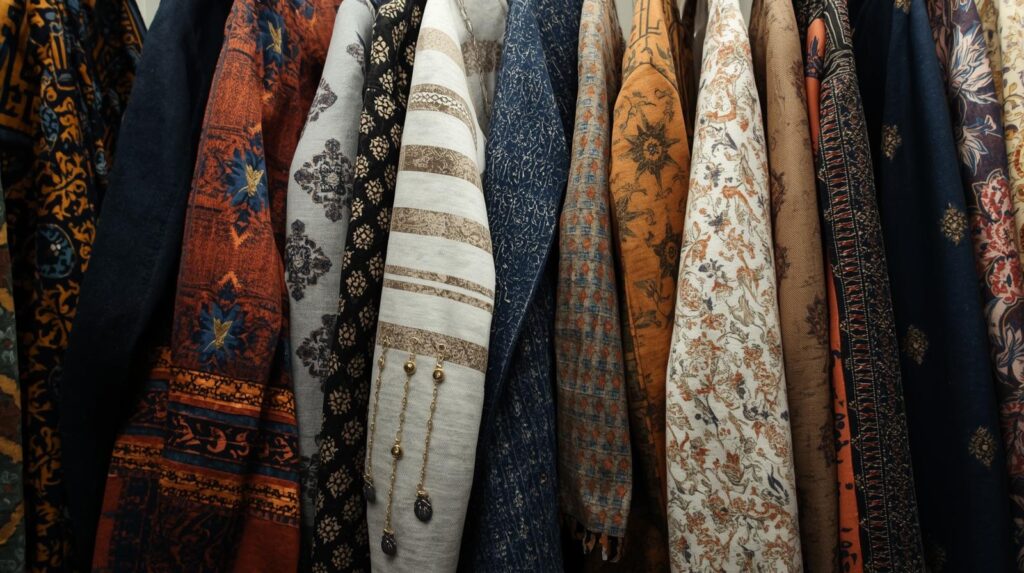
Fashion evolves through history and culture. World fashion history influences modern wardrobes and personal styles globally. Designers, brands, and consumers draw inspiration from past clothing, fabrics, and construction techniques. Understanding fashion history provides insight into contemporary trends and wardrobe choices.
Historical garments reflect society, values, and technology of their time. Designers reinterpret these elements in modern collections. Consumers adopt styles influenced by historical fashion. This exchange shapes global fashion trends.
This article explores how world fashion history shapes modern wardrobes and personal styles globally. It examines historical periods, iconic garments, evolution of trends, cultural impact, and contemporary reinterpretation.
Historical Periods Influencing Modern Fashion
Fashion history includes multiple periods. Each period contributes to modern clothing.
18th and 19th Century
Clothing in Europe included tailored coats, corsets, and structured skirts. Designers reference these silhouettes for modern garments. Techniques such as embroidery and fabric layering continue influencing fashion.
Early 20th Century
Early 20th century fashion introduced simpler silhouettes. Women adopted practical clothing. Men introduced modern suits. These changes inform contemporary style.
Mid-20th Century
Mid-century fashion included new fabrics and casual styles. Designers reinterpret these garments for modern wardrobes. Elements such as A-line skirts, tailored suits, and casual sportswear influence current trends.
Late 20th Century
Late-century fashion included streetwear, youth culture, and mass production. These trends influence modern wardrobes and personal style choices.
Iconic Garments and Their Influence
Certain garments have global impact. Designers reinterpret coats, dresses, suits, and accessories from past centuries.
Traditional garments from various regions influence modern fashion. African prints, Asian robes, European tailoring, and Middle Eastern textiles appear in contemporary collections.
Iconic garments inform construction, silhouette, and layering in modern wardrobes.
Cultural Influence on Modern Wardrobes
Historical fashion reflects cultural values. Consumers adopt styles influenced by their heritage. Designers integrate cultural elements into collections.
Global fashion incorporates regional traditions. Consumers mix cultural garments in personal style choices.
Cultural influence strengthens the global fashion ecosystem.
Fashion Evolution and Modern Trends
Fashion evolves through social, technological, and cultural factors. Trends from historical periods are adapted for modern consumers.
Examples include: tailored garments, layering techniques, streetwear influences, and casual silhouettes. Designers combine historical and modern elements.
Trend evolution connects past and present fashion.
Fashion History in Luxury Brands
Luxury brands reference historical fashion. Collections incorporate couture techniques, traditional fabrics, and silhouettes.
Historical influence supports brand identity. Consumers recognize heritage in modern garments.
Luxury fashion preserves and reinterprets historical trends.
Influence of Fashion Capitals
Fashion capitals observe historical fashion trends. Paris, Milan, London, New York, Tokyo, and Seoul showcase collections reflecting past styles.
Fashion weeks display reinterpretations of historical clothing.
Capital influence spreads globally.
Street Style and Historical Influence
Street style reflects historical influence. Individuals adopt vintage clothing or reinterpret past trends.
Designers observe street style for inspiration. Historical elements appear in modern collections.
Street style contributes to personal expression.
Sustainability and Historical Fashion
Historical fashion emphasizes craftsmanship and longevity. Designers adopt slow fashion principles inspired by historical practices.
Consumers seek garments with lasting value. Sustainability aligns with fashion heritage.
Digital Platforms Promoting Fashion History
Digital platforms provide access to historical fashion archives. Designers research online for inspiration.
Consumers access historical references for personal style. Digital platforms support global dissemination.
Youth Culture and Fashion History
Youth engage with historical fashion through vintage, thrift, and reinterpretation. Social platforms spread awareness.
Youth influence ensures historical fashion remains relevant.
Regional Historical Fashion Influences
Europe, Asia, Africa, and the Americas each contribute to fashion heritage. Regional garments influence contemporary collections globally.
Designers integrate textiles, embroidery, and silhouettes into modern wardrobes.
Retail and Consumer Adoption
Retailers include collections inspired by historical fashion. Consumers adopt garments in personal style choices.
Historical influence shapes global purchasing patterns.
Technology and Historical Fashion Integration
3D modeling, digital archives, and virtual collections support historical fashion study. Designers integrate historical patterns and construction into modern garments.
Technology increases accessibility and innovation.
Challenges in Integrating Historical Fashion
Balancing heritage and modern functionality presents challenges. Designers must respect origins while adapting for contemporary use.
Production costs and consumer awareness affect adoption.
Despite challenges, historical fashion continues shaping modern wardrobes.
Future of Fashion History Influence
Fashion history will continue informing modern wardrobes and personal styles globally. Designers will explore new interpretations. Consumers will adopt historical inspiration.
Global fashion will maintain a dialogue between past and present.
Conclusion
World fashion history shapes modern wardrobes and personal styles globally. Historical garments, textiles, and techniques influence contemporary collections. Designers and consumers adopt historical elements, ensuring fashion heritage remains central to global trends.
Extended SEO Content
Historical Garments in Global Fashion
Traditional and iconic garments inform design.
Fashion Archives and Digital Access
Archives provide historical reference.
Consumer Adoption of Historical Trends
Consumers incorporate historical inspiration in daily style.
Final Thoughts
World fashion history shaping modern wardrobes and personal styles globally ensures continuity and innovation in contemporary fashion.