
Fashion reflects society, identity, and history. Cultural heritage influences clothing across regions. Designers draw inspiration from traditions, textiles, and craftsmanship. These influences shape contemporary fashion around the world today.
Cultural heritage includes garments, fabrics, embroidery, weaving, and techniques passed through generations. Designers reinterpret these elements for modern consumers. This process connects history with present fashion practices.
Global communication supports cultural exchange. Designers observe clothing from different regions. They adapt these influences into collections. This exchange shapes contemporary fashion worldwide.
This article explores how cultural heritage influences contemporary fashion around the world today. It examines craftsmanship, textiles, cultural identity, sustainability, and global fashion trends.
Cultural Heritage and Fashion Identity
Cultural heritage shapes identity through clothing. Each region develops garments based on climate, resources, and traditions. These garments represent communities and beliefs.
Designers study heritage garments to understand structure and symbolism. They reinterpret these elements for contemporary fashion. This approach connects heritage with global audiences.
Consumers also seek clothing with meaning. Cultural heritage provides authenticity. This demand increases the influence of heritage fashion.
Traditional Textiles in Contemporary Fashion
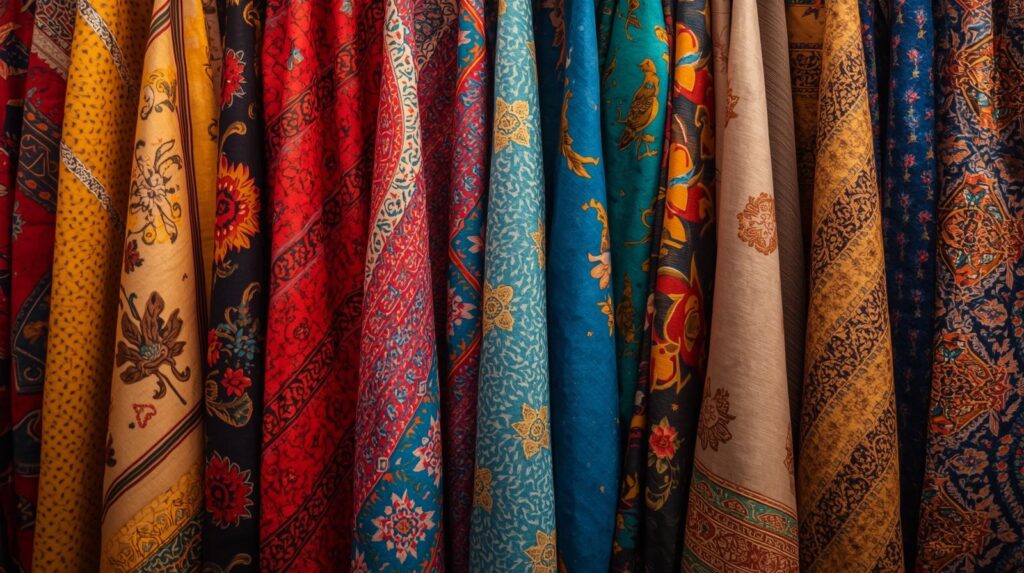
Textiles represent cultural heritage. Regions produce fabrics using traditional techniques. These textiles influence contemporary fashion collections.
African prints, Asian weaving, Middle Eastern embroidery, and Latin American textiles appear in global fashion. Designers integrate these fabrics into modern silhouettes.
Traditional textiles support craftsmanship. Designers collaborate with artisans. These collaborations preserve heritage techniques.
Textiles remain central to contemporary fashion influenced by cultural heritage.
Craftsmanship and Heritage Techniques
Craftsmanship plays a central role in cultural heritage. Artisans create garments using techniques passed through generations. These methods include weaving, embroidery, dyeing, and tailoring.
Designers incorporate craftsmanship into contemporary fashion. Handmade garments attract consumers seeking quality and authenticity.
Craftsmanship also supports local communities. Designers collaborate with artisans. This partnership preserves heritage and supports economic growth.
Heritage techniques continue shaping global fashion.
Cultural Heritage in Global Fashion Markets
Global fashion markets include heritage garments. Designers introduce cultural elements to international audiences. This process increases cultural representation.
Consumers adopt clothing from different regions. Cultural exchange supports diversity in fashion.
Fashion brands expand collections with heritage influences. Global markets respond to cultural fashion trends.
Fashion Weeks and Cultural Heritage Influence
Fashion weeks provide platforms for designers. Collections often include heritage elements. Designers showcase traditional textiles and techniques.
Media coverage spreads these influences worldwide. Buyers introduce collections to global markets.
Fashion weeks support cultural heritage in contemporary fashion.
Street Style and Cultural Heritage
Street style contributes to cultural heritage influence. People combine traditional garments with contemporary clothing. Designers observe these combinations.
Street fashion promotes experimentation. Heritage clothing appears in urban environments.
Street style supports global adoption of cultural fashion.
Sustainability and Cultural Heritage
Sustainability connects with cultural heritage. Traditional clothing often used natural materials. Designers return to these practices.
Handcrafted garments reduce industrial production. This approach supports sustainability.
Consumers seek sustainable clothing with heritage value. Designers respond to this demand.
Sustainability strengthens cultural heritage influence.
Digital Platforms and Cultural Fashion
Digital platforms spread cultural fashion. Designers share collections online. Consumers learn about heritage garments.
Social media supports cultural exchange. Designers connect with global audiences.
Technology increases visibility of cultural heritage in fashion.
Youth Culture and Cultural Heritage Fashion
Youth culture influences contemporary fashion. Young consumers adopt heritage garments. They combine traditional clothing with modern outfits.
Designers observe youth trends. Cultural heritage becomes part of contemporary fashion.
Youth influence drives global fashion trends.
Cultural Heritage and Luxury Fashion
Luxury fashion incorporates heritage craftsmanship. Designers create garments using traditional techniques.
Consumers value heritage in luxury fashion. Cultural influence increases demand.
Luxury brands collaborate with artisans. Heritage techniques shape luxury collections.
Regional Cultural Heritage Influences
Different regions contribute to contemporary fashion. Asian garments influence silhouettes. African textiles influence patterns. Middle Eastern garments influence layering. European tailoring influences structure.
These influences shape global fashion trends.
Cultural heritage continues shaping contemporary fashion.
Economic Impact of Cultural Heritage Fashion
Cultural heritage supports employment. Artisans produce textiles and garments. Designers collaborate with communities.
Global demand increases production. Cultural fashion reaches international markets.
Economic growth supports heritage preservation.
Challenges in Cultural Heritage Fashion
Designers must respect cultural origins. Collaboration ensures authenticity. Cultural sensitivity remains important.
Production costs also affect heritage fashion. Designers balance affordability and craftsmanship.
Despite challenges, cultural heritage continues influencing fashion.
Future of Cultural Heritage in Contemporary Fashion
Cultural heritage will continue shaping fashion. Designers will explore heritage techniques and textiles.
Technology will support global reach. Consumers will prioritize cultural fashion.
Cultural heritage will remain central to contemporary fashion.
Conclusion
Cultural heritage influences contemporary fashion around the world today. Designers reinterpret traditions, textiles, and craftsmanship. Cultural exchange supports global fashion. Heritage clothing continues shaping contemporary style.
Extended SEO Content
Heritage Textiles in Global Markets
Traditional textiles influence collections worldwide.
Cultural Craftsmanship and Designers
Designers collaborate with artisans.
Cultural Heritage and Sustainable Fashion
Sustainable production supports heritage fashion.
Final Thoughts
Cultural heritage influences contemporary fashion around the world today and continues shapi