
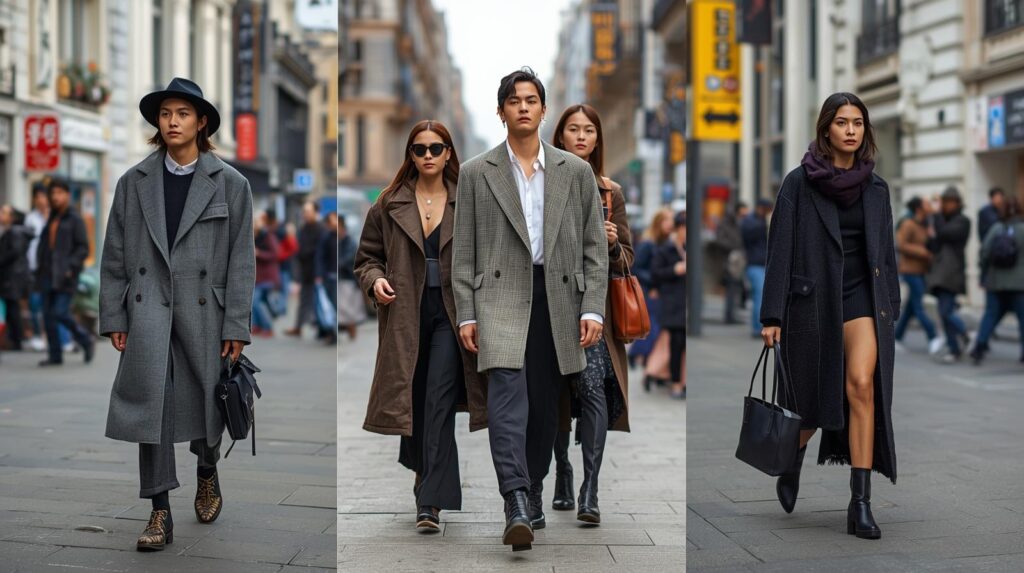
Global fashion trends shaping cultures across continents. Learn how fashion moves between regions, influences society, and drives industry growth worldwide.
Keywords
Global fashion trends, world fashion, fashion culture, international fashion trends, global clothing trends, fashion industry worldwide, fashion culture worldwide
Introduction
Fashion moves across borders through people, media, trade, and technology. Clothing reflects identity, culture, and social change. Designers, creators, and brands share ideas through fashion shows, social platforms, and retail channels. These ideas influence how people dress across continents.
Fashion also connects tradition and innovation. Cultural clothing enters everyday wardrobes. Local garments gain attention through digital platforms. People mix elements from different regions and create new styles. This process shapes global fashion trends.
This article explores how global fashion trends shape cultures across continents this year worldwide. It examines street fashion, sustainability, digital fashion, cultural exchange, and industry shifts.
Global Fashion Movement Across Continents
Fashion moves from one region to another through trade, travel, and communication. Designers observe clothing from other cultures. They adopt silhouettes, fabrics, and techniques. These influences appear in collections and reach consumers worldwide.
Fashion weeks in cities such as Paris, Milan, New York, London, Tokyo, and Seoul serve as platforms for exchange. Buyers, journalists, and creators attend these events. They share ideas and introduce trends to markets across continents.
Social media accelerates this movement. Influencers, creators, and brands publish outfits. Audiences respond and adopt styles. This cycle spreads trends across regions.
Street Fashion Influence Worldwide
Street fashion plays a central role in global trends. People share outfits through platforms such as Instagram, TikTok, and Pinterest. These images influence designers and brands.
Street fashion from Tokyo influences youth culture worldwide. Oversized silhouettes, layered clothing, and experimental combinations appear across regions. Seoul fashion also shapes youth style. Neutral tones, relaxed fits, and layered outfits spread through social media.
Street fashion from New York reflects diversity. People mix sportswear, casual clothing, and tailored pieces. This combination spreads across continents.
Street fashion represents culture, identity, and social change. It allows individuals to express personality and values.
Cultural Clothing Influence on Global Fashion
Traditional garments influence global fashion. Designers integrate cultural elements into collections. These elements include embroidery, weaving, and handcrafted details.
African prints appear in global collections. Asian garments influence silhouettes. Middle Eastern garments influence layering. Latin American textiles influence patterns.
Cultural exchange promotes appreciation and awareness. It also supports artisans and heritage techniques.
Fashion brands collaborate with local communities. These collaborations promote cultural preservation and economic growth.
Sustainable Fashion Movement Worldwide
Sustainability influences global fashion trends. Consumers seek ethical production, recycling, and responsible sourcing. Brands respond by adopting sustainable practices.
Recycling clothing reduces waste. Upcycling transforms garments into new pieces. Circular fashion encourages reuse.
Sustainable fashion spreads across continents. Designers use organic materials, recycled fabrics, and ethical production methods.
Consumers support brands that focus on sustainability. This demand drives industry change.
Digital Fashion and Technology
Technology transforms fashion. Digital platforms enable virtual fashion shows. Brands present collections online. Audiences from different continents participate.
Digital fashion includes virtual clothing and avatars. Consumers purchase digital garments. These garments appear in social media posts and virtual spaces.
Artificial intelligence influences design and production. Data analysis predicts trends. Brands adjust collections.
Technology accelerates global fashion movement.
Influence of Fashion Capitals
Fashion capitals influence global trends. Paris represents couture. Milan represents craftsmanship. New York represents diversity. London represents creativity.
These cities host fashion weeks and attract global attention. Designers present collections. Media coverage spreads trends worldwide.
Fashion capitals also influence retail and marketing strategies.
Celebrity and Influencer Impact
Celebrities influence fashion trends. Red carpet events showcase outfits. Fans adopt styles.
Influencers share daily outfits. Brands collaborate with creators. These collaborations influence purchasing decisions.
Celebrity and influencer impact spreads across continents.
Gender Fluid Fashion Movement
Gender fluid fashion influences global trends. Designers create clothing without gender categories. Consumers adopt these styles.
This movement promotes inclusion and expression.
Local Brands Gaining Global Attention
Local brands reach global audiences through online platforms. Consumers discover emerging designers.
These brands introduce cultural elements. Global audiences adopt these styles.
Future of Global Fashion Trends
Global fashion continues to evolve. Cultural exchange, technology, and sustainability shape trends. Designers, brands, and consumers contribute to change.
Fashion connects people across continents. It reflects identity, culture, and society.
Conclusion
Global fashion trends shape cultures across continents. Street fashion, sustainability, digital platforms, and cultural exchange influence style worldwide. Fashion continues to evolve and connect people across regions.
Global fashion remains a powerful force shaping culture worldwide.
(Extended Content Below For SEO Depth)
Global Fashion and Economic Impact
Fashion industry supports employment and trade. Manufacturers, designers, and retailers contribute to growth. International trade spreads clothing across continents.
Fashion exports influence economies. Global demand drives production.
Fashion and Social Identity
Fashion reflects identity. Clothing communicates beliefs, values, and lifestyle. People express identity through fashion choices.
Fashion and Media Influence
Media platforms influence fashion trends. Online publications, blogs, and videos share ideas.
Fashion and Youth Culture
Youth culture influences trends. Students and creators adopt styles.
Final Thoughts
Global fashion trends continue shaping cultures across continents this year worldwide. Fashion remains a tool for expression and cultural exchange.